Periodontal Disease: The “Silent Killer” Behind Loose Teeth
Many people mistakenly believe that bleeding gums are just a sign of “internal heat.” In reality, it is the final cry for help from the supporting structures of your teeth before they start to fall out. Don’t let complacency rob you of your ability to chew and your confident smile.
Understanding the Periodontium: The Foundation of Your Smile
The periodontium is not simply “gums.” In advanced dentistry, it is a complex system of tissues that surround and support the teeth, comprising four core components:
1. Gingiva (Gum Tissue): The soft tissue that covers the alveolar bone and tightly hugs the neck of the tooth to prevent bacteria from penetrating the sensitive tissues underneath.
2. Alveolar Bone: The bone that surrounds the tooth root, keeping the tooth firmly in place within the jaw.
3. Periodontal Ligament: A network of connective tissue fibers that connect the tooth root to the alveolar bone, acting as a shock absorber during chewing.
4. Cementum: A mineralized tissue layer covering the tooth root surface, serving as the attachment point for the periodontal ligament.
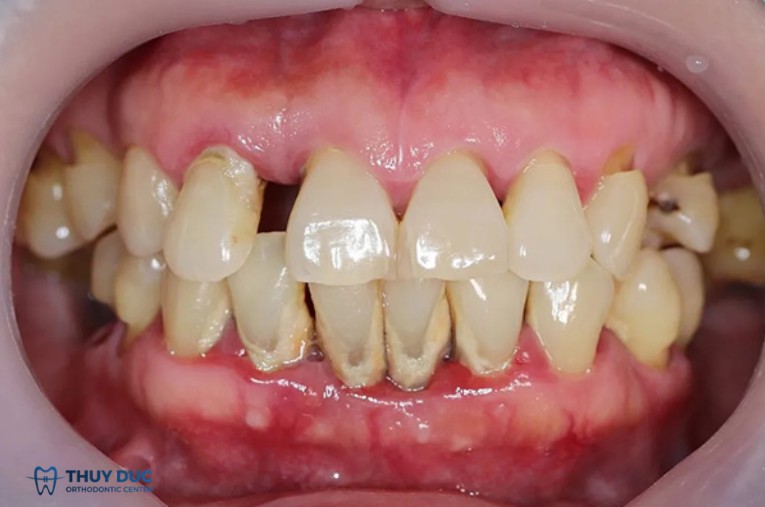
Figure 1: A case of periodontitis
What is Periodontitis? Why is it More Dangerous than Gingivitis?
Gingivitis is only the initial stage, with damage localized to the soft tissues. However, when it progresses to Periodontitis, it becomes a destructive attack on the entire supporting structure. Bacteria in plaque don’t just stop at causing red, swollen gums; they release toxins that destroy the periodontal ligament and literally cause the alveolar bone to “melt away.” The result is that the gums detach from the teeth, creating “periodontal pockets”—an invincible haven for billions of harmful bacteria.
The Progression of the Disease Through 4 Stages
Stage 1: Plaque Formation & Calculus (Silent)
Bacteria begin to accumulate from food debris not cleaned away. They combine with saliva to form soft plaque, which then calcifies into hard, tenacious calculus (tartar). At this stage, the patient feels virtually no pain, but this is the initial “spark” that ignites the problem.
Stage 2: Acute Inflammation & Bleeding
The gums begin to swell and change from a pale pink to a dark red. You will notice blood when brushing or using dental floss. The gums become extremely sensitive, and the breath begins to have a characteristic foul odor due to the proliferation of anaerobic bacteria.
Stage 3: Formation of Deep Periodontal Pockets
The attachment between the gum and the tooth root is completely destroyed. Periodontal pockets form, deepen, and accumulate pus (abscesses). At this point, regular oral hygiene is no longer effective because the bacteria are hidden 3-5mm below the gumline. Teeth begin to feel “strange” and uncomfortable when chewing hard foods.
Stage 4: Bone Destruction & Spontaneous Tooth Loss
This is the most severe stage. The alveolar bone resorbs, leaving no support for the tooth root. Teeth become extremely loose, gums recede deeply, exposing the roots and causing aesthetic issues. Pain in the temples and systemic infection are potential complications.
Dangerous Complications: Not Just About Losing Teeth
Periodontal disease is a chronic infection. Bacteria from the gum inflammation can enter the bloodstream directly through damaged capillaries, travel throughout the body, and cause severe systemic consequences:
❤️ Cardiovascular Disease & Stroke
Periodontal bacteria increase systemic inflammation, promote atherosclerosis, and elevate the risk of cerebral vascular blockage.
🩺 Diabetes Complications
Periodontitis makes it harder for the body to control blood sugar, worsening diabetes and creating a vicious cycle.
🤰 Adverse Pregnancy Outcomes
Studies indicate that pregnant women with severe periodontitis have a significantly higher risk of preterm birth or having low-birth-weight babies.
Causes and High-Risk Groups
Understanding the cause is the first step to effective prevention. Bacterial plaque is the primary culprit, but the synergy of the following factors can accelerate the disease progression tenfold:
| Risk Factor Group | Detailed Impact |
|---|---|
| Inadequate Oral Hygiene | Not using dental floss, using a toothbrush that fails to clean between teeth, skipping regular dental check-ups and scaling. |
| Harmful Habits | Smoking reduces blood flow to the gums, slows healing, and makes treatment more difficult. |
| Hormonal Changes | Women during puberty, pregnancy, or menopause have gums that are more sensitive than usual. |
| Systemic Diseases | Diabetes, osteoporosis, immunodeficiency (HIV/AIDS, Cancer), or obesity. |
Standard Medical Protocol for Periodontal Treatment at Thuy Duc
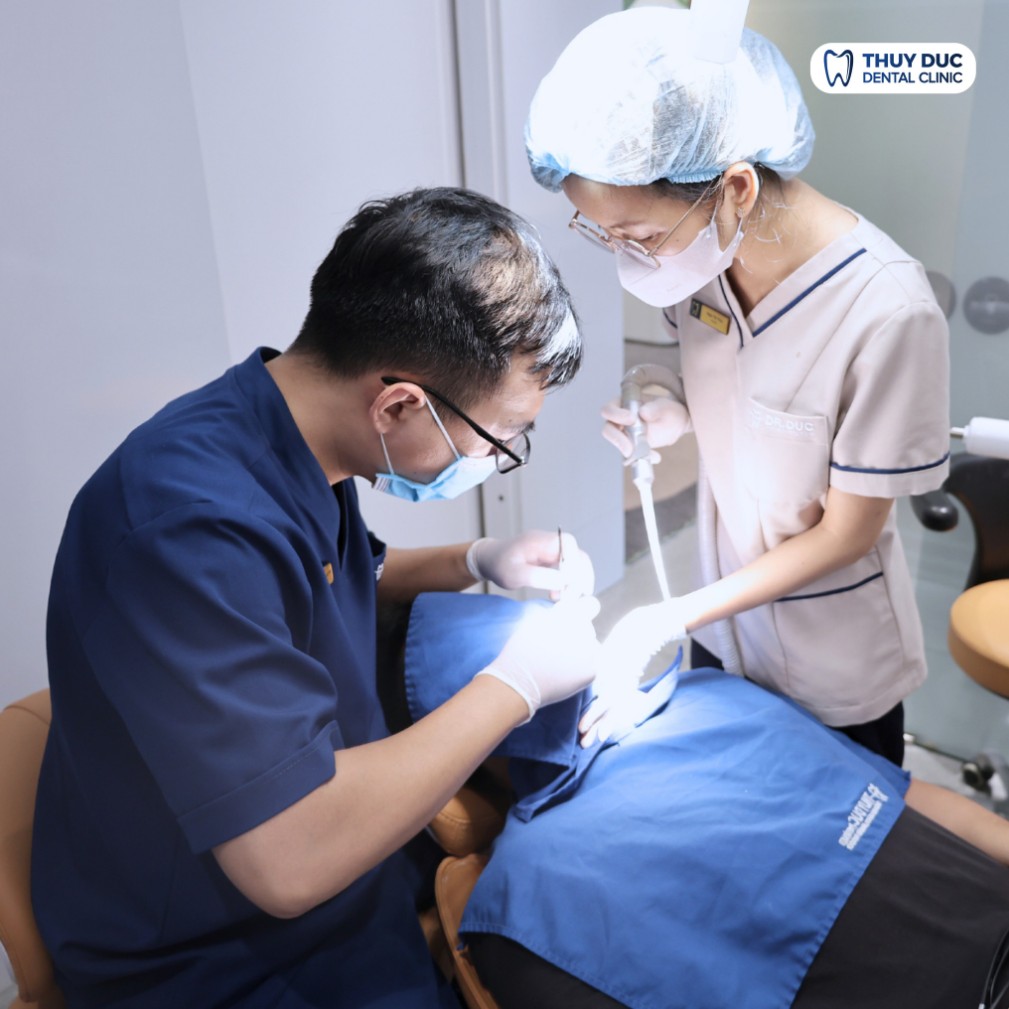
More Than a Clinic – A Trusted Name for Over 20 Years

Elegant, sterile clinic environment
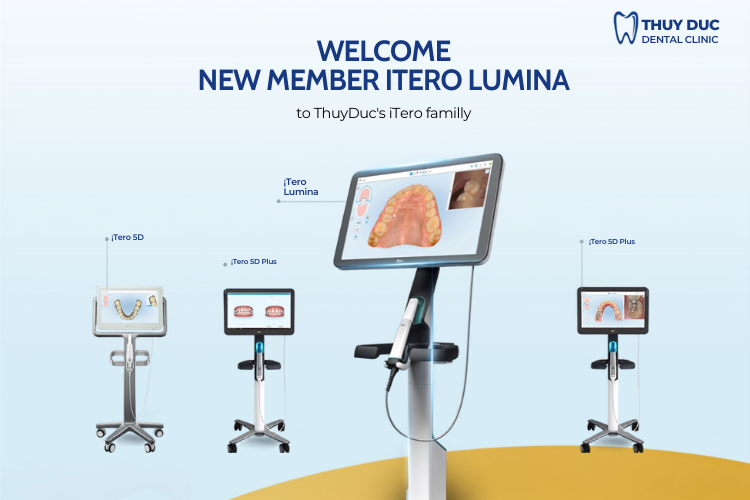
Modern imaging diagnostic equipment

Dedicated and experienced medical team
Periodontal treatment requires meticulousness and extremely solid clinical knowledge, as even the slightest error can permanently damage the nerves around the teeth. At Thuy Duc Dental, we are proud to offer:
- 🌟
Solid Professional Foundation:
Established in 2006 by Dr. Pham Van Viet – Former Head of the Odonto-Stomatology Department at Viet Xo Friendship Hospital. Treatment quality is always our top priority. - 🌟
Hanoi Medical University Graduates:
100% of our doctors are formally trained with extensive experience in managing thousands of complex and severe periodontal cases. - 🌟
Modern Technology:
Digital X-ray systems and next-generation ultrasonic scalers minimize discomfort and sensitivity for our patients. - 🌟
Dedicated & Transparent:
Treatment plans are explained in detail, costs are clear, and we are committed to supporting our patients until the condition is fully resolved.
Treatment Costs & Consultation Appointment
Each stage of the disease requires a different treatment protocol. Don’t wait until your teeth start to loosen before seeking help. Contact us today for a detailed cost estimate and a direct consultation with our specialist doctors.
THUY DUC DENTAL CLINIC SYSTEM
📍 Branch 1: 64 Pho Vong, Bach Mai Ward, Hai Ba Trung, Hanoi
📍 Branch 2: 3rd & 4th Floor, GP Building, 257 Giai Phong, Hanoi
⏰ Working Hours: 8:30 AM – 6:30 PM (Monday – Sunday)
📧 Email: nhakhoathuyduc@gmail.com